
Let’s together with Multi-Country Asia Tours discover the most important traditional festivals in China, from the Chinese New Year to Mid-Autumn Festival. Learn meanings, dates, customs, and how travelers can experience Chinese traditional festivals and Chinese traditional holidays authentically.
Traditional Festivals in China – A Complete Cultural Guide for Travelers
Traditional festivals in China are far more than colorful celebrations—they are living expressions of history, philosophy, family values, and regional identity. For international travelers seeking meaningful cultural experiences, understanding a Chinese festival offers rare insight into how ancient traditions continue to shape modern Chinese life.
This in-depth guide explores the most important Chinese traditional festivals, explains their cultural significance, and shows how travelers can experience Chinese traditional holidays in an authentic and respectful way. Whether you are planning a multi-country Asia journey or designing a culturally immersive itinerary, these Traditional Festivals in China deserve a central place in your travel inspiration.
Understanding Chinese Traditional Festivals and the Lunar Calendar
Most Chinese traditional festivals follow the lunar calendar, which is based on moon cycles rather than the Gregorian system. As a result, festival dates shift slightly each year slightly. These festivals are deeply connected to Confucian values, Taoist philosophy, agricultural rhythms, and ancestor worship.
For travelers, this means timing matters. Visiting China during a major Chinese festival can be magical—but it also requires careful planning due to increased domestic travel, limited hotel availability, and holiday closures.
If you are looking to experience Chinese traditional festivals in their most authentic cultural settings, explore our carefully curated China Tours designed around heritage, festivals, and meaningful local encounters. Visit now at: https://www.multicountrytours.asia/package/china-tours/
Top 10+ Chinese Festivals You Should Know
Chinese festivals reflect thousands of years of history, philosophy, and social values. Each Chinese festival is tied to the lunar calendar and carries symbolic meanings related to family, harmony, nature, and prosperity. Below are the most important and widely celebrated Chinese traditional festivals that define China’s cultural calendar.
1. Chinese New Year (Spring Festival)
Chinese New Year is the most significant Chinese festival and the foundation of all China traditional holidays. It marks the beginning of the lunar new year and symbolizes renewal, prosperity, and fresh beginnings. More importantly, it is a celebration of family unity, making it emotionally central to Chinese culture.
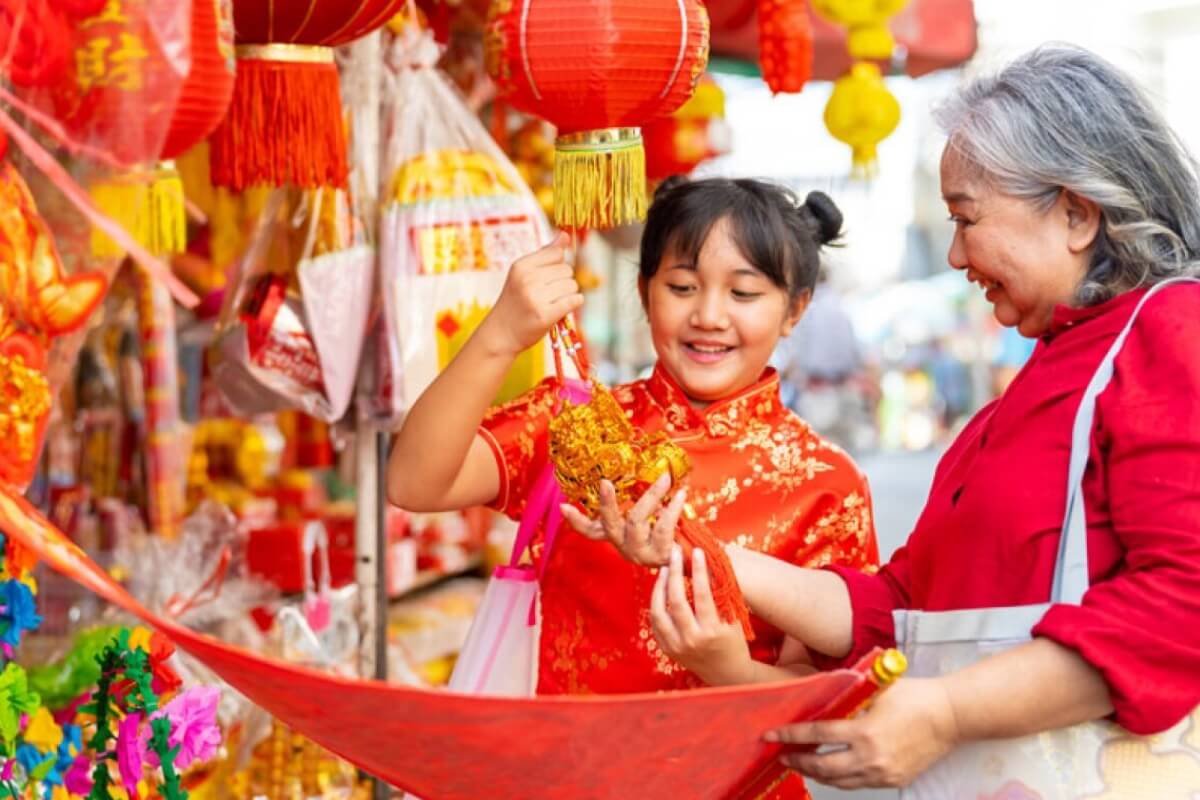
Preparations begin weeks in advance. Homes are cleaned to remove bad luck, decorations in red and gold are displayed to attract fortune, and families travel long distances to reunite. The New Year’s Eve dinner is the most important meal of the year, symbolizing abundance and togetherness.
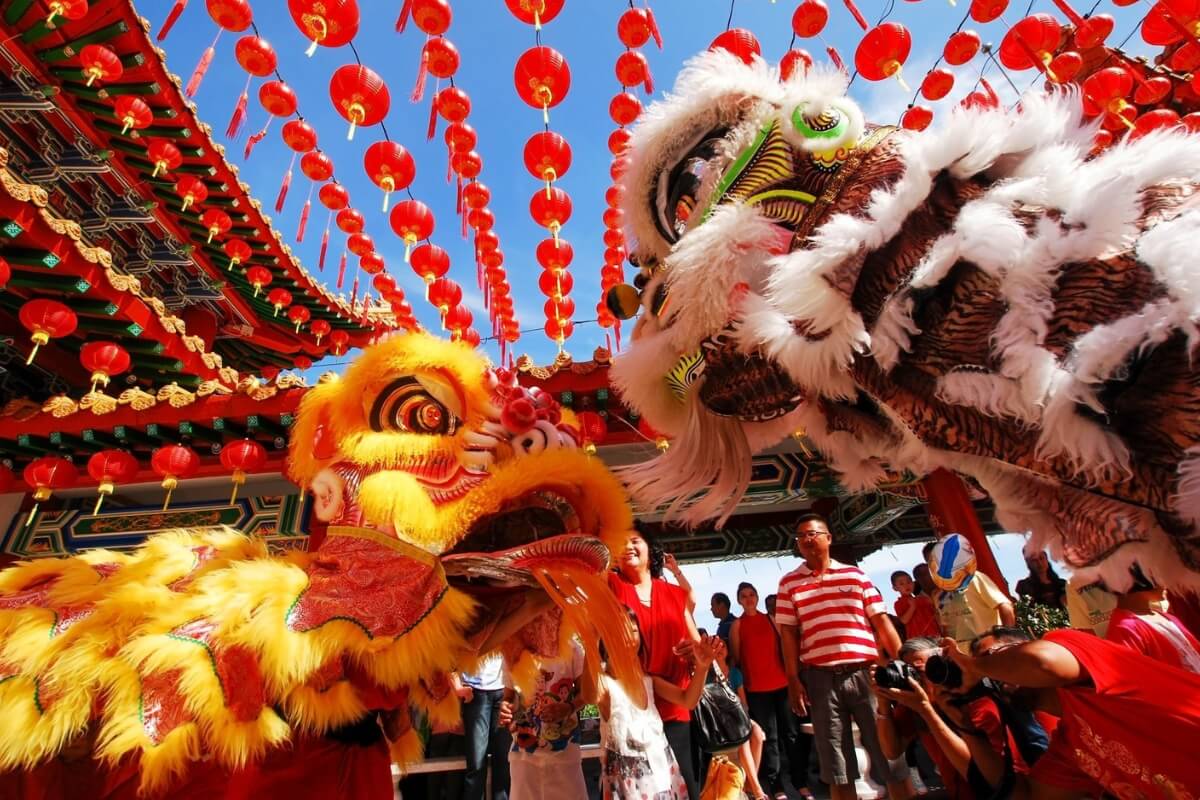
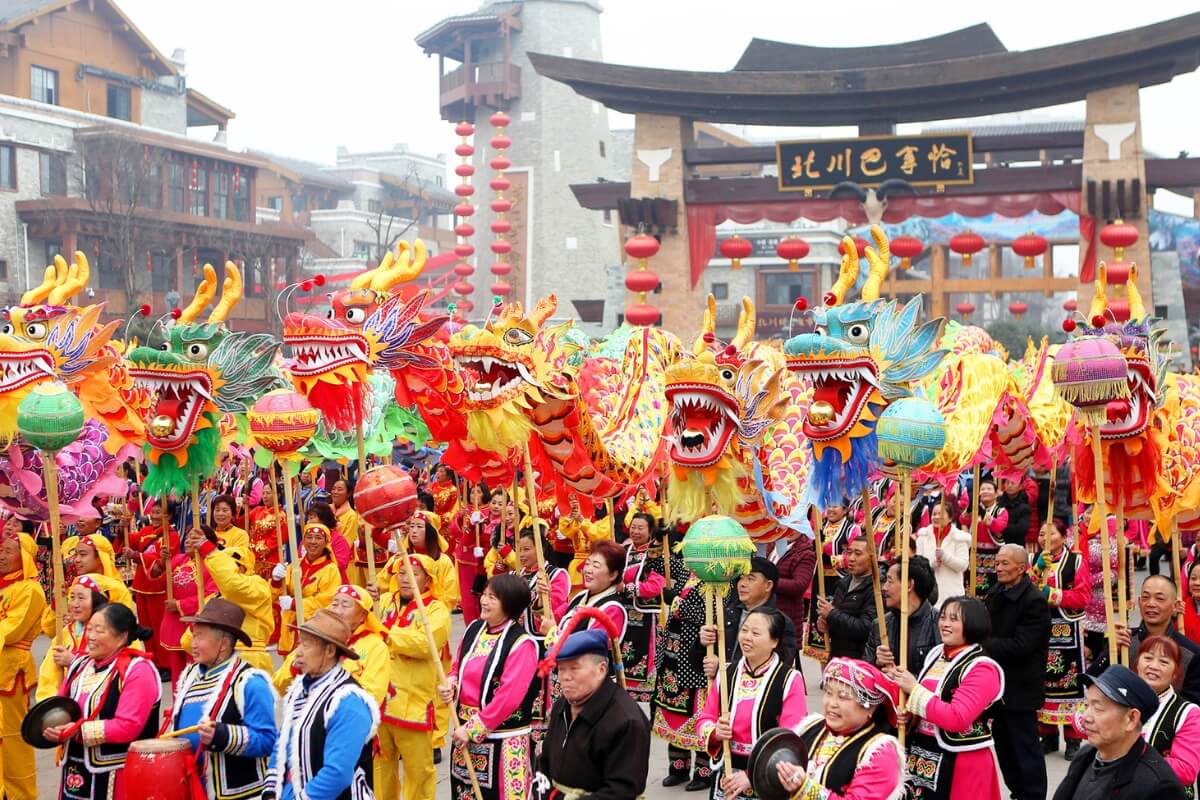
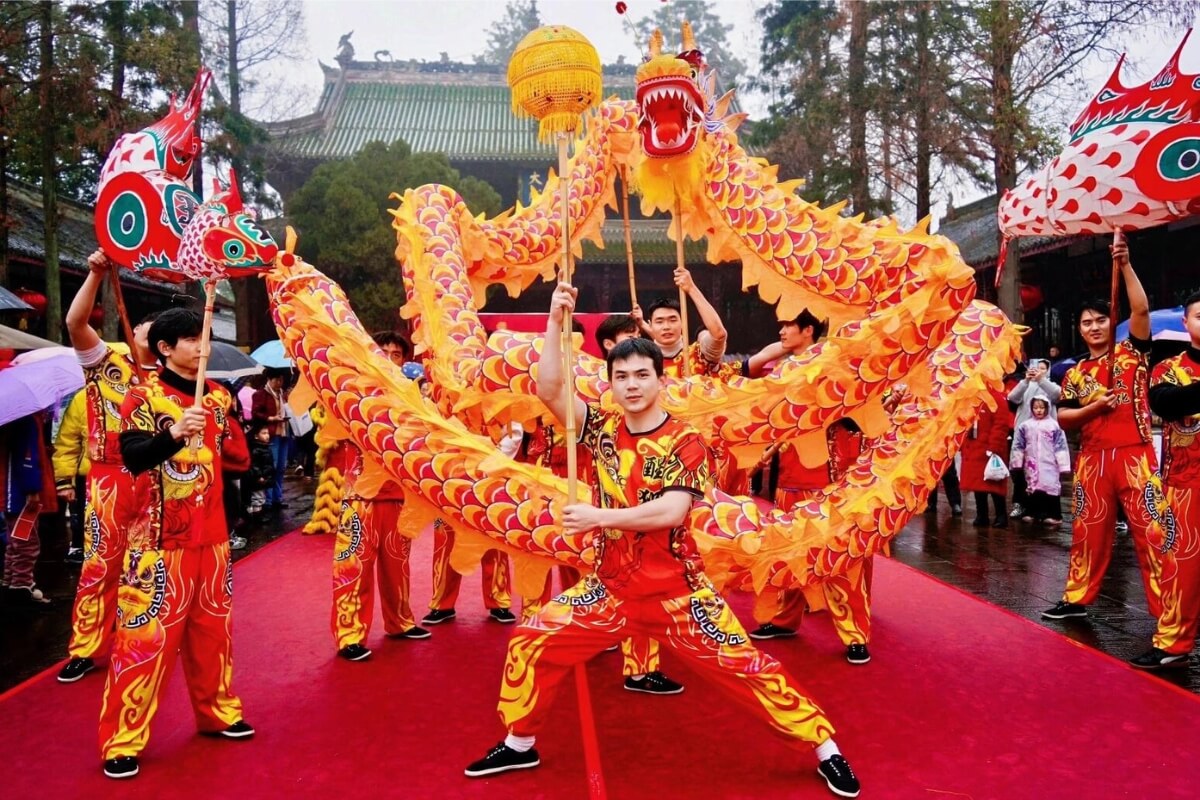
For travelers, Chinese New Year offers an unparalleled cultural experience. Streets come alive with lion and dragon dances, temple fairs, and fireworks. However, it is also the busiest travel season in China. Premium accommodations, private transportation, and early reservations are essential for travelers seeking comfort and exclusivity.
2. Lantern Festival
The Lantern Festival takes place on the fifteenth day of the lunar new year and marks the official conclusion of Chinese New Year celebrations. It represents hope, reunion, and the return of light after winter.
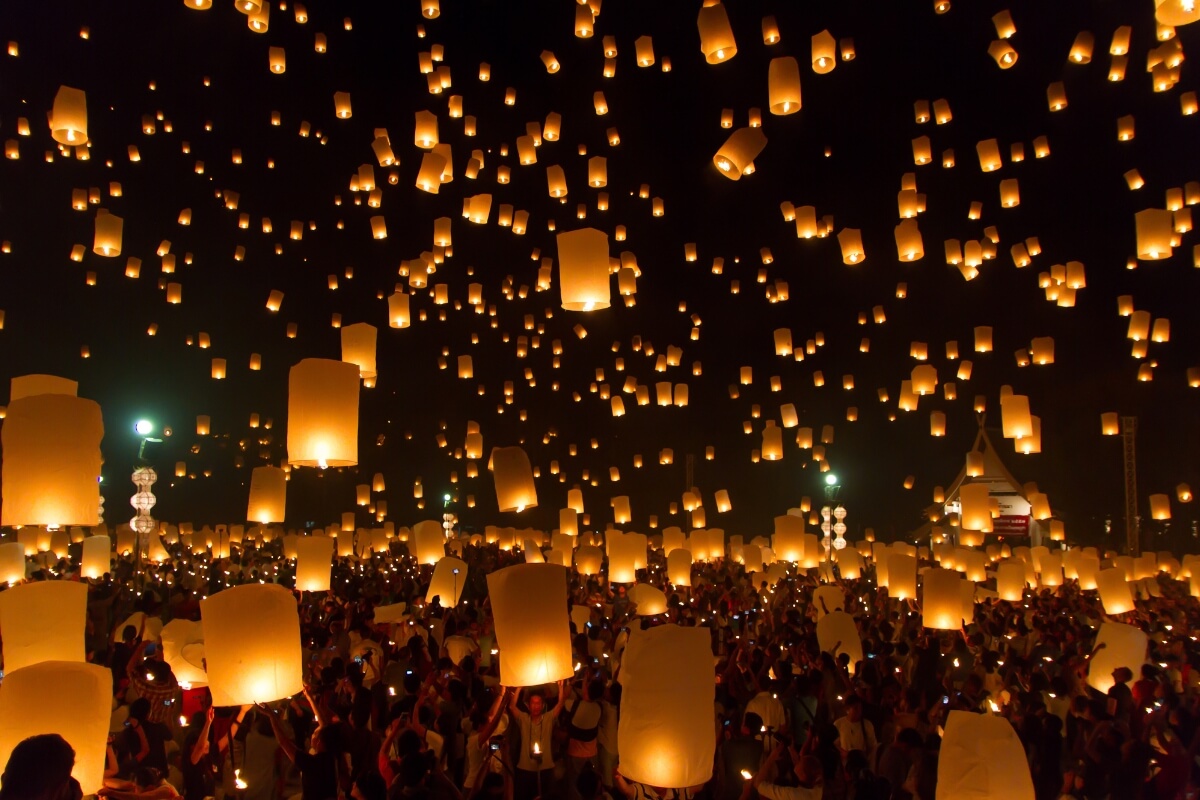
During this Chinese festival, cities and towns are decorated with intricate lanterns displayed in parks, streets, and temples. Many lanterns feature riddles that visitors can try to solve, adding an interactive cultural element. Families traditionally eat sweet rice dumplings, which symbolize unity and harmony.
Compared to the earlier days of Chinese New Year, the Lantern Festival is calmer and more visually refined. For international travelers, it is ideal for evening exploration, cultural photography, and relaxed participation in local festivities.
3. Qingming Festival (Tomb-Sweeping Day)
Qingming Festival is one of the most spiritually significant Chinese traditional festivals. It is dedicated to honoring ancestors and maintaining family lineage, reflecting the deeply rooted value of filial piety in Chinese society.
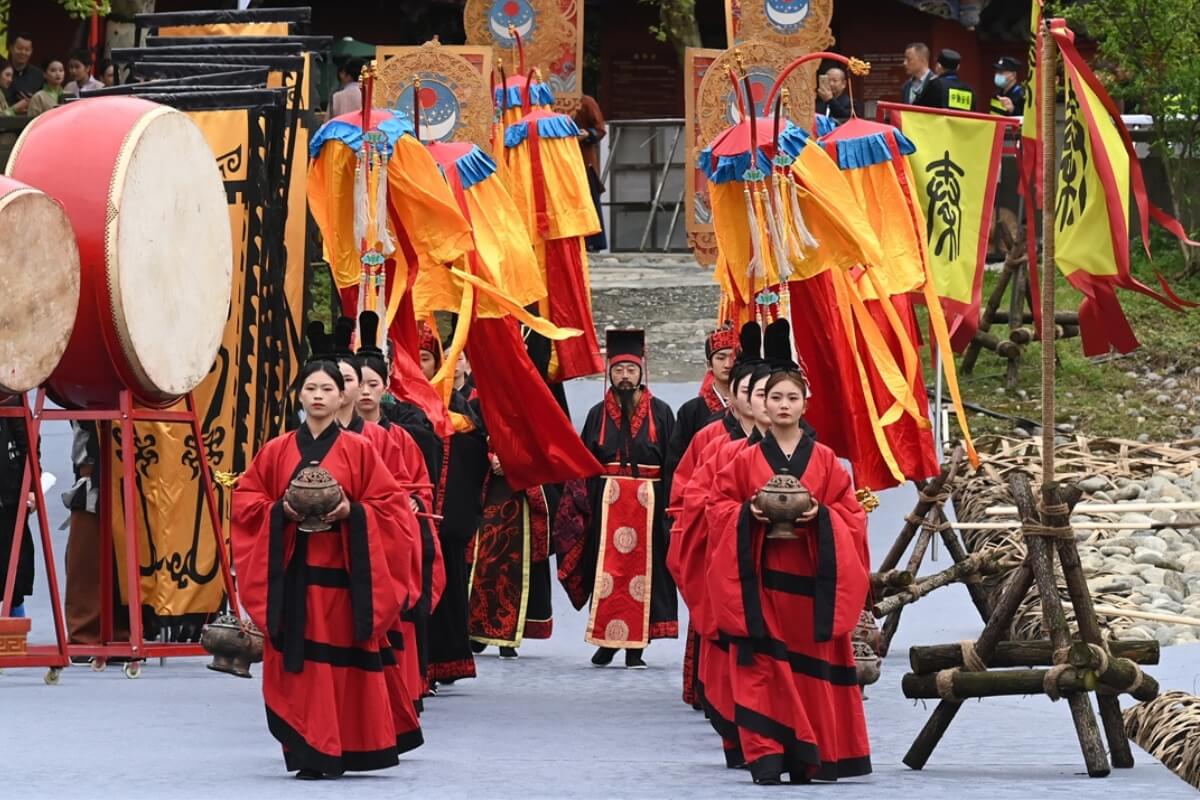
Families visit ancestral tombs to clean graves, make food offerings, and burn incense or symbolic paper items. These rituals are believed to maintain harmony between the living and the departed. At the same time, Qingming also marks the arrival of spring, and many families enjoy outdoor activities after the ceremonies.
For travelers, Qingming Festival offers insight into the moral and philosophical foundations of Chinese culture. Observing this festival respectfully allows visitors to understand how tradition, memory, and identity are preserved across generations.
4. Dragon Boat Festival
The Dragon Boat Festival is one of the most dynamic Traditional Festivals in China, combining legend, ritual, and competitive sport. It commemorates an ancient poet and symbolizes loyalty, integrity, and patriotism.

The most visible aspect of this Chinese festival is dragon boat racing, held on rivers and lakes throughout the country. Teams paddle in unison to the rhythm of drums, creating an exciting and communal atmosphere. Families also prepare traditional foods that are associated with protection and good fortune.
For international travelers, the Dragon Boat Festival is particularly engaging due to its energy and visual appeal. It provides a lively cultural experience while still being rooted in historical storytelling and traditional values.
5. Mid-Autumn Festival
The Mid-Autumn Festival is among the most poetic and emotionally resonant Chinese traditional festivals. Celebrated on the night of the full moon, it symbolizes family reunion, gratitude, and harmony.
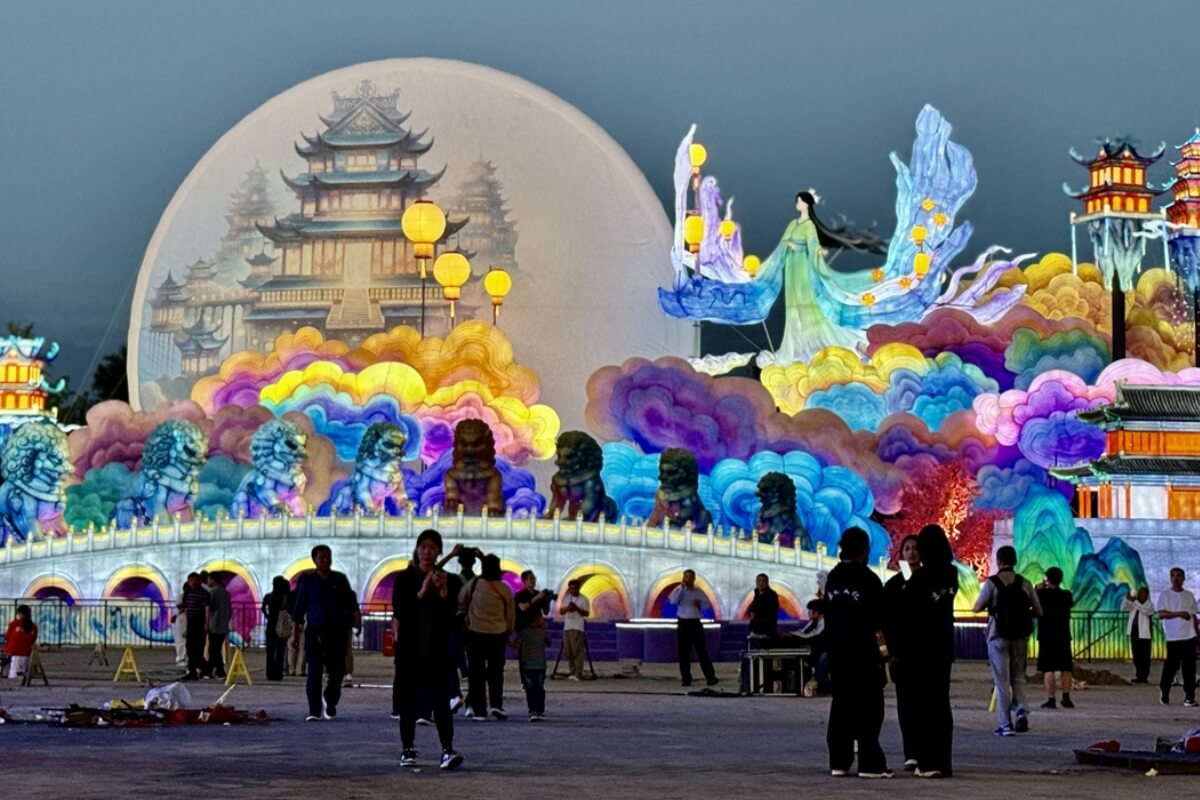
Families gather to admire the moon, share mooncakes, and express appreciation for unity and abundance. Unlike more crowded Chinese festivals, the atmosphere is calm, intimate, and reflective.
For travelers, the Mid-Autumn Festival offers a refined cultural experience. It is particularly well-suited for those who value elegance, scenic settings, and meaningful moments over large-scale celebrations.
6. Double Seventh Festival (Qixi Festival)
The Double Seventh Festival, often called Chinese Valentine’s Day, celebrates love, devotion, and emotional commitment. Rooted in a centuries-old romantic legend, this Chinese festival has evolved over time while retaining its traditional symbolism.

Historically, young women prayed for wisdom and skill during this festival. Today, it has become a modern celebration of romance, blending traditional customs with contemporary expressions of love.
For couples traveling in Asia, Qixi Festival adds a culturally rich romantic element that differs from Western commercialized Valentine traditions.
7. Double Ninth Festival (Chongyang Festival)
The Double Ninth Festival is associated with longevity, health, and respect for elders. Traditionally, families climb hills or mountains as a symbolic act to ward off misfortune and pray for long life.
This Chinese traditional festival emphasizes intergenerational bonds and social responsibility toward older family members. In modern times, it is also recognized as a day to honor senior citizens.
For travelers, the Double Ninth Festival offers insight into how Chinese society values aging, wisdom, and continuity, themes often overlooked in mainstream tourism.
8. Hungry Ghost Festival
Hungry Ghost Festival is one of the most spiritually complex Chinese festivals. It is based on the belief that spirits are allowed to wander the human world during this time and must be appeased through offerings and rituals.
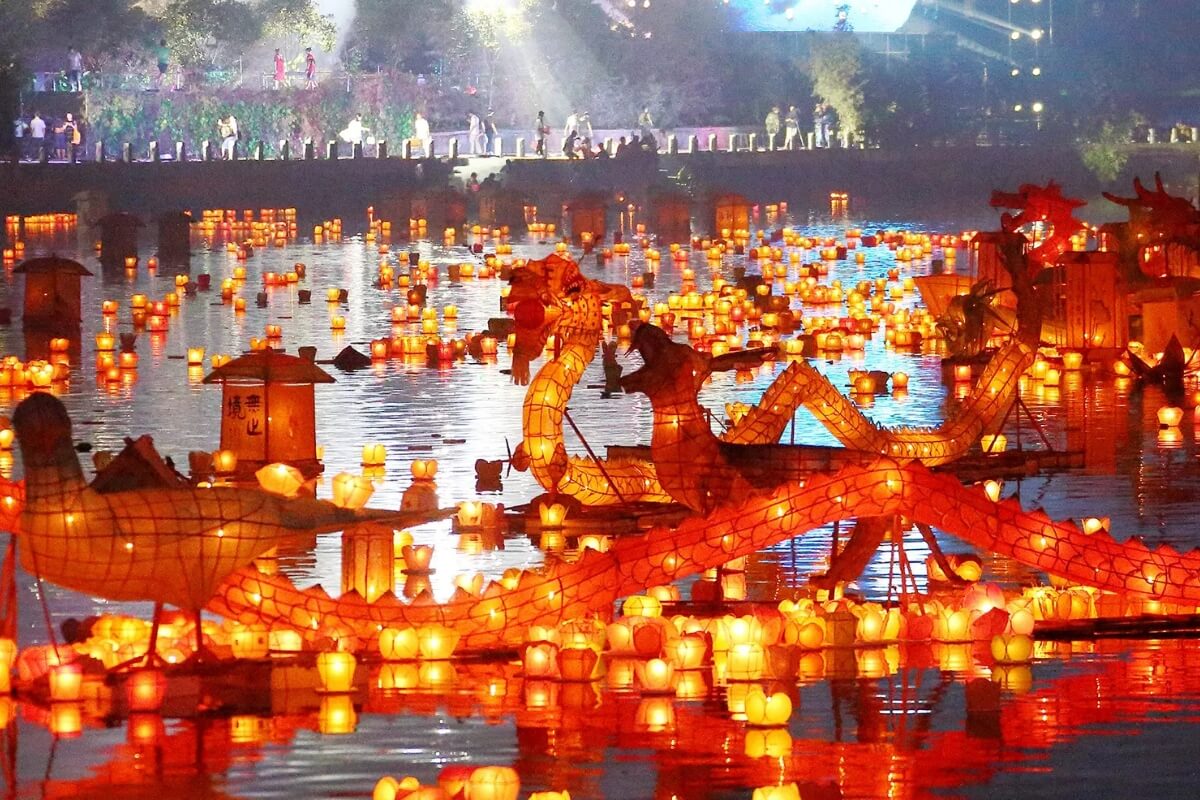
Families prepare food offerings and conduct ceremonies to ensure peace and balance between worlds. While less festive than other China traditional holidays, it reflects deep-rooted beliefs about morality, respect, and spiritual responsibility.
For international travelers, this festival provides a rare window into traditional Chinese views on the afterlife. Observing respectfully is essential, as the festival carries strong spiritual significance.
9. Laba Festival
Laba Festival marks the beginning of preparations for the Chinese New Year and is associated with gratitude, reflection, and spiritual cultivation. Traditionally, families prepare a special porridge made from grains and beans, symbolizing abundance and harmony.
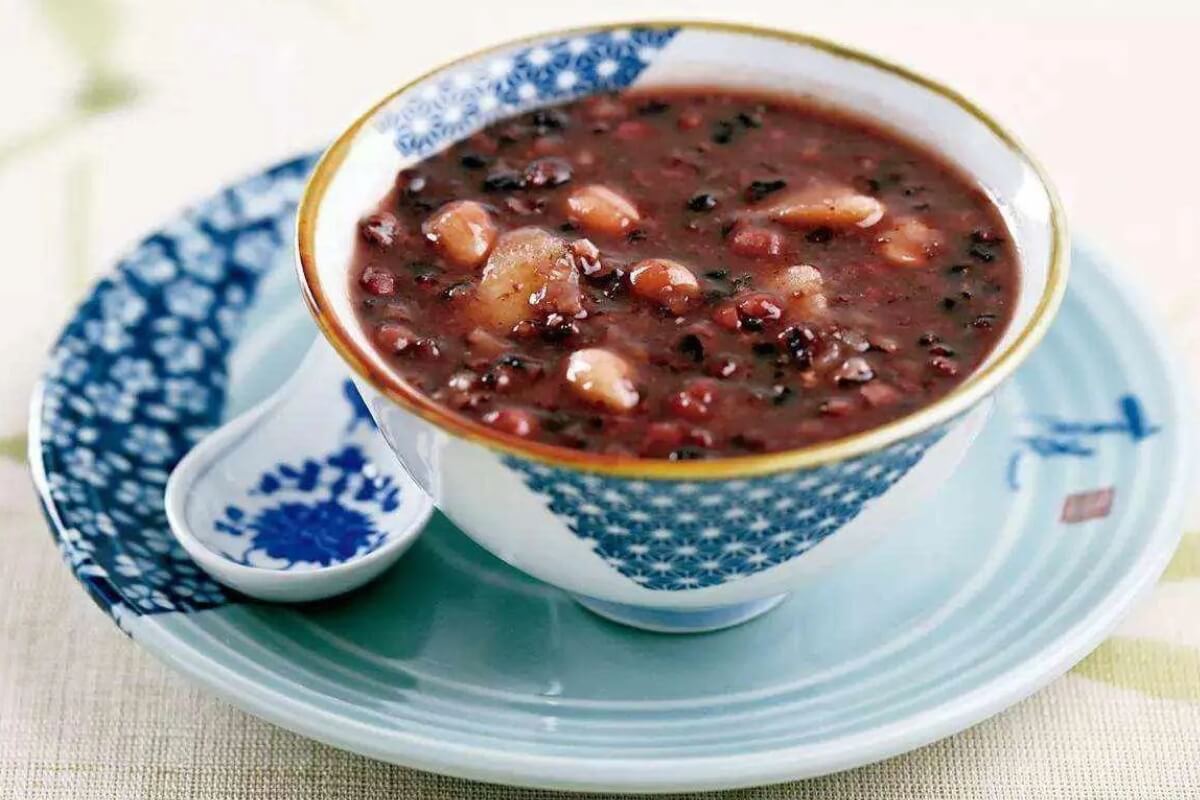
Although quieter than other Chinese traditional festivals, Laba plays an important cultural role in signaling the transition toward the New Year season.
For travelers, Laba Festival offers insight into everyday traditions and seasonal rhythms that are often missed by short-term visitors.
10. Winter Solstice Festival (Dongzhi Festival)
The Winter Solstice Festival celebrates the shortest day of the year and the gradual return of longer daylight. It is deeply connected to the concept of balance between yin and yang in Chinese philosophy.
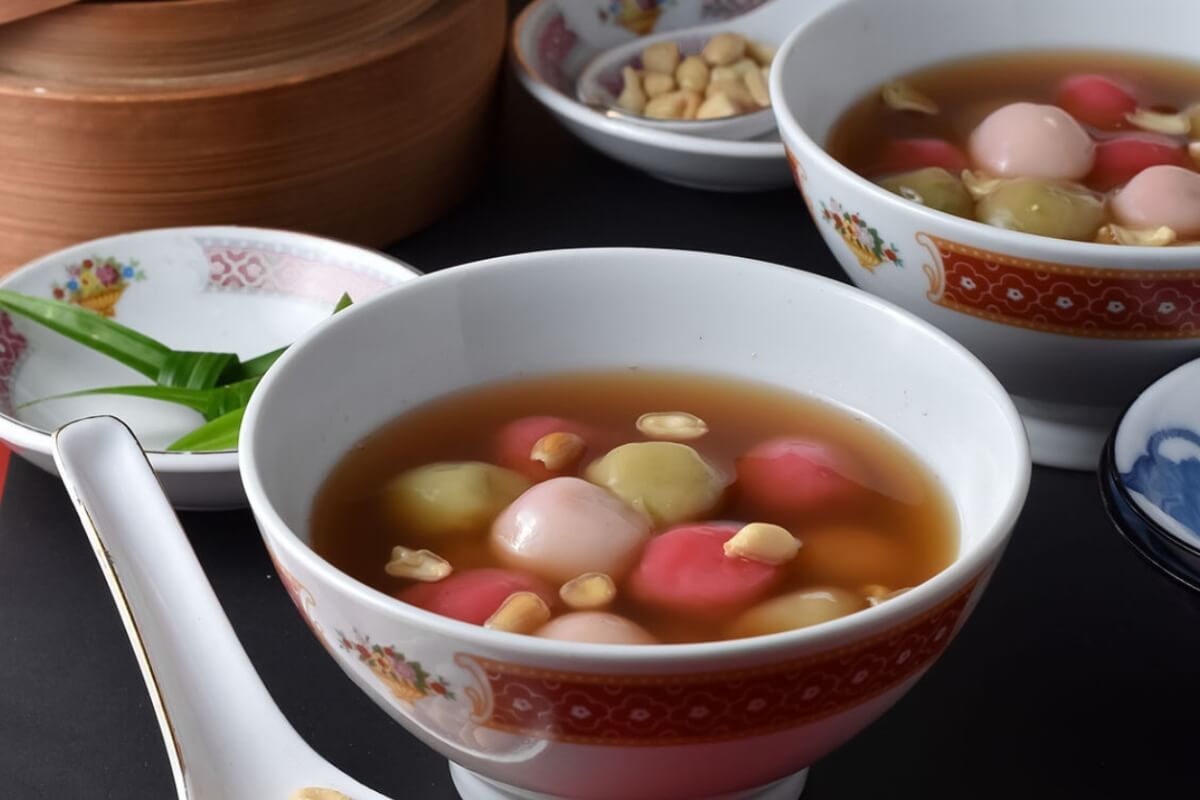
Families gather to share symbolic foods and welcome the changing season together. This Chinese festival emphasizes harmony with nature and cyclical renewal rather than outward celebration.
For culturally curious travelers, Dongzhi Festival offers philosophical depth and a quieter, more intimate cultural experience.
11. Spring Lantern Fair and Temple Festivals
Beyond national holidays, seasonal temple festivals and lantern fairs are widely celebrated across China. These events often include folk performances, local food, and religious rituals. While regional in nature, they are essential to understanding the diversity of Chinese traditional festivals and offer authentic local experiences for culturally curious travelers.
Practical Travel Tips During China’s Traditional Holidays
Traveling during major Chinese festivals requires preparation. Domestic tourism peaks, transportation fills quickly, and some businesses close temporarily. Booking accommodations early, avoiding peak travel days, and choosing premium services can greatly improve the experience.
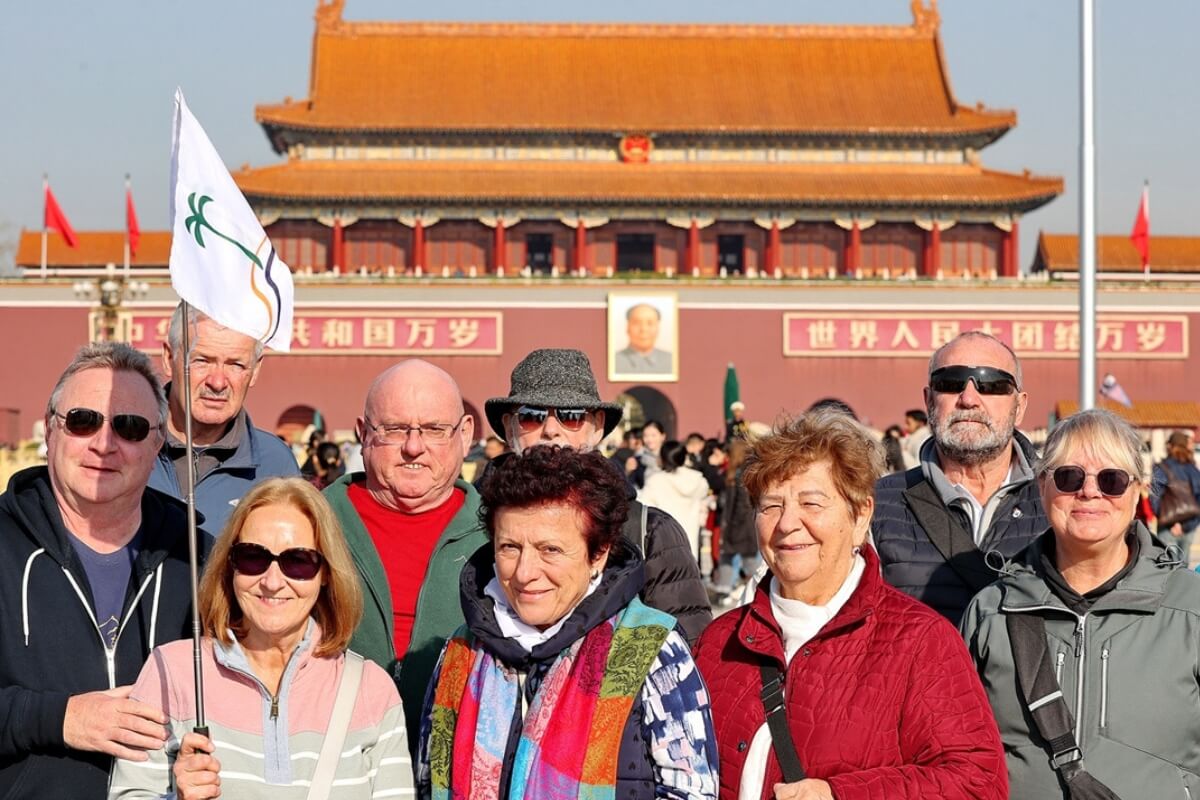
Despite logistical challenges, traveling during a Chinese festival often becomes the most memorable part of a journey—offering rare cultural immersion unavailable at other times of year.
FAQ About Traditional Festivals in China
What are the most important traditional festivals in China?
The most important traditional festivals in China include the Chinese New Year, Lantern Festival, Qingming Festival, Dragon Boat Festival, Mid-Autumn Festival, and Double Seventh Festival.
Are Chinese festivals based on the lunar calendar?
Yes. Most Chinese traditional festivals follow the lunar calendar, which means their dates change each year according to moon cycles.
Is it good to travel to China during the Chinese New Year?
Traveling during the Chinese New Year offers incredible cultural experiences but requires advance planning due to crowds, limited transportation, and higher demand for hotels.
What is the best Chinese festival for cultural immersion?
The Mid-Autumn Festival and Qingming Festival are ideal for travelers seeking calm, meaningful cultural immersion with strong family and philosophical themes.
Can tourists participate in Chinese traditional festivals?
Yes. Tourists are welcome to observe and participate respectfully, especially through guided cultural activities and community events.
Each Chinese festival reflects a different aspect of Chinese civilization—from family unity and ancestor worship to romance, loyalty, and harmony with nature. For international travelers, experiencing these Chinese traditional festivals transforms a trip into a deeper cultural journey rather than simple sightseeing.
Planning travel around these Traditional Festivals in China allows visitors to witness living traditions that continue to shape Chinese society today
Comment (0)