
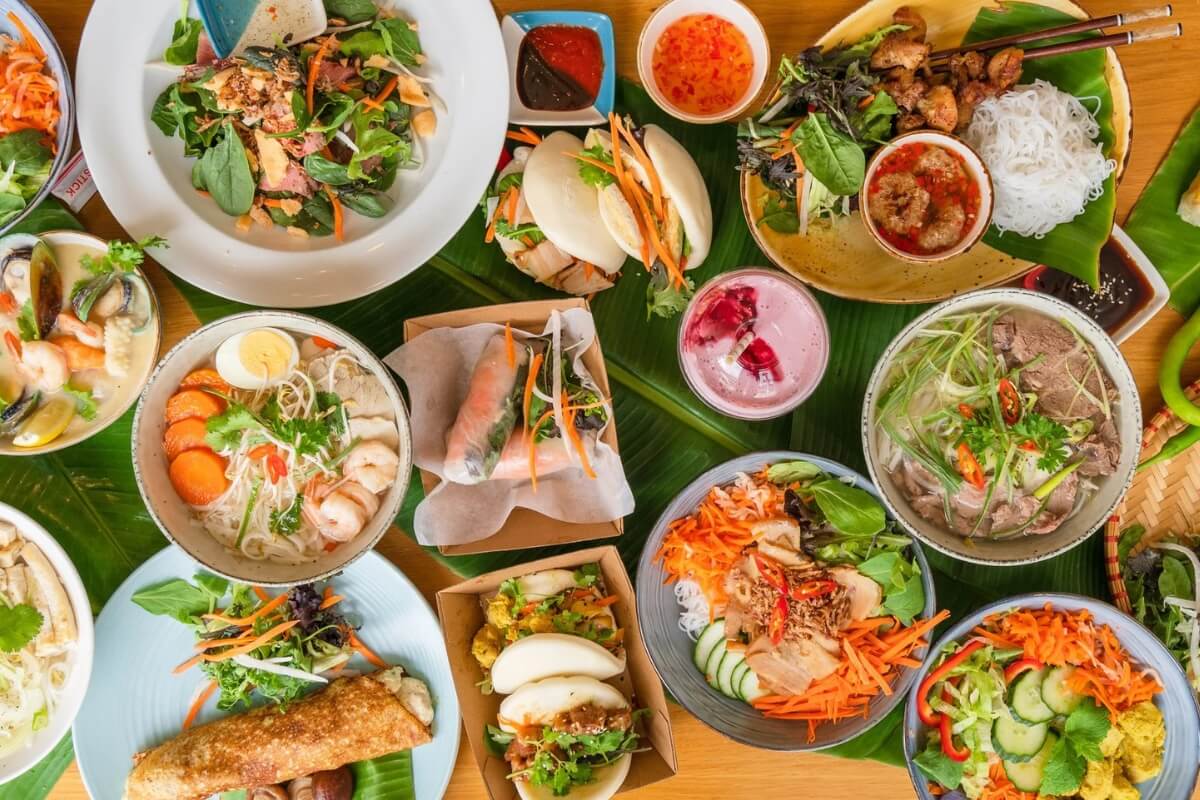
Vietnam’s food culture has earned worldwide admiration for its harmony of flavors, vibrant freshness, and deep cultural stories carried through each dish. For international travelers exploring Vietnam, experiencing traditional Vietnamese food is more than just tasting delicious dishes—it is an authentic journey into the heart of traditional Vietnamese cuisine, shaped by centuries of history, regional creativity, and a lifestyle deeply connected to nature.
This guide of Multi-Country Asia Tours will bring you the top 10+ best traditional Vietnamese food you absolutely cannot miss. Whether you are wandering through busy Hanoi streets, exploring lantern-lit alleys in Hoi An, or cruising the Mekong Delta, these dishes offer a flavorful introduction to the country’s culinary soul.
Why Traditional Vietnamese Cuisine Wins the Hearts of Travelers
Every traveler who visits Vietnam quickly discovers that traditional Vietnamese cuisine is not only delicious but also incredibly diverse. Generations of cooks have perfected the balance between herbs, spices, textures, and temperatures. Unlike many Asian cuisines known for strong seasonings, Vietnamese dishes often focus on freshness, lightness, and a clean finish. This combination creates a culinary world that travelers simply cannot resist.
Top 10+ Best Traditional Vietnamese Food
1. Pho – The National Icon of Vietnamese Cuisine
No introduction to traditional Vietnamese cuisine is complete without pho. This traditional noodle soup has become a global symbol of Vietnam thanks to its delicate broth simmered for hours with beef bones, star anise, cinnamon, and grilled shallots.
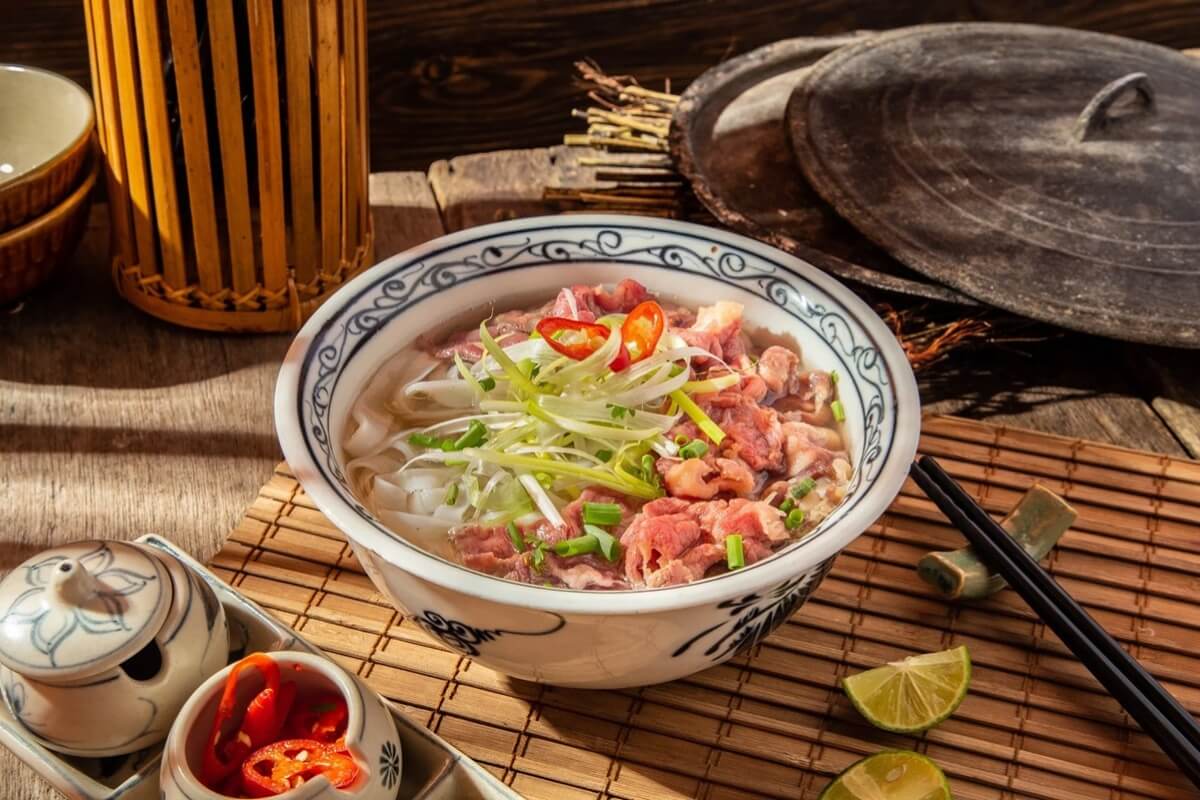
In the North—especially Hanoi—pho is gentle, clear, and soulful. In the South, it is sweeter with a wider variety of herbs and condiments.
Travelers love pho for several reasons: its simplicity, its comfort, and the unmistakable fragrance that rises from every bowl. Whether enjoyed at a street-side stall or an upscale restaurant, pho is a cultural experience you cannot miss.
2. Bánh Mì – Vietnamese Bread
A crunchy French baguette combined with Vietnamese creativity—bánh mì is a true reflection of Vietnam’s history. Filled with pâté, pickled vegetables, fresh herbs, cold cuts, or grilled meat, bánh mì is both affordable and irresistibly flavorful.
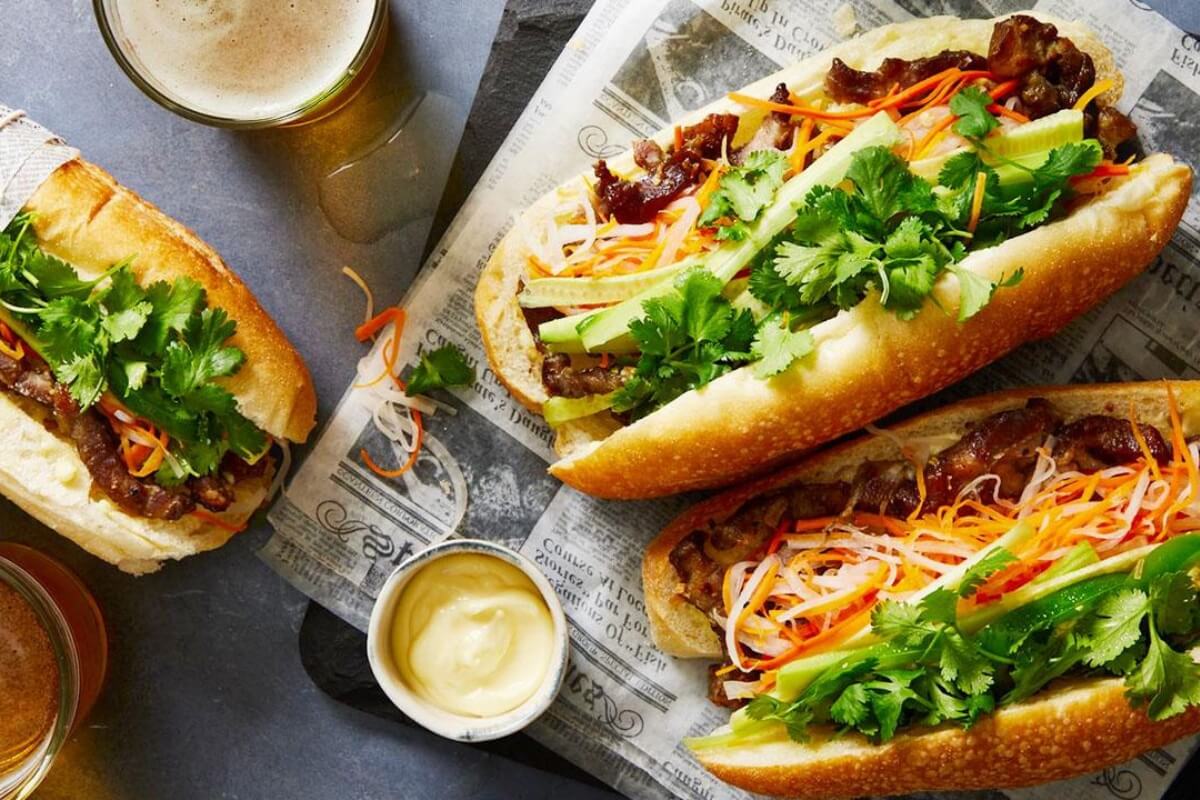
Different regions contribute their own twists:
- Hoi An is famous for delicious meat fillings and homemade sauces.
- Saigon offers the widest variety with bold flavors and generous ingredients.
Today, bánh mì is celebrated worldwide as one of the most beloved items of traditional Vietnamese food.
3. Bún Chả – Hanoi’s Smoky Grilled Pork Specialty
If pho represents elegance, bún chả embodies the rustic generosity of Hanoi. The dish features charcoal-grilled pork served with rice noodles, fresh herbs, and a dipping sauce made from fish sauce, vinegar, sugar, and green papaya slices.
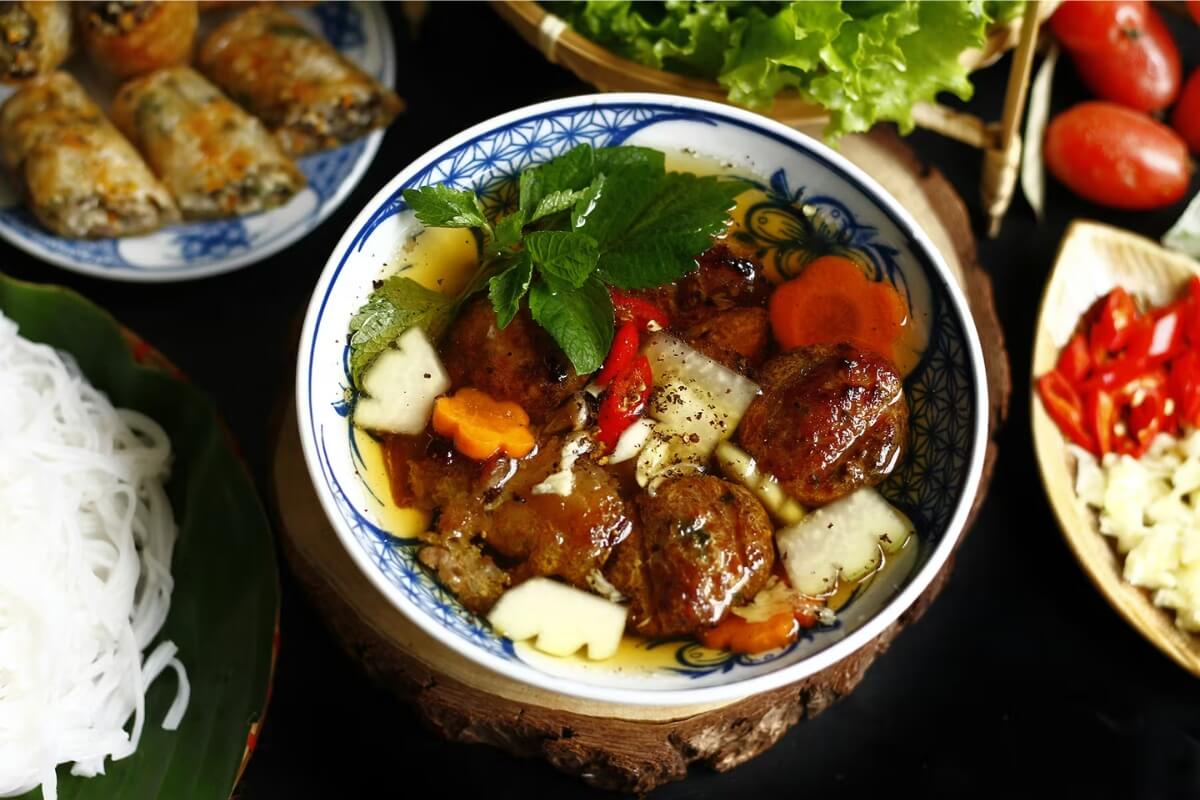
Travelers often describe bún chả as “love at first bite” thanks to the smoky aroma, flavorful marinade, and refreshing herbs. After former U.S. President Barack Obama enjoyed it in Hanoi, the dish quickly gained international fame.
4. Cao Lầu – The Signature Vietnamese Dishes of Ancient Town Hoi An
Few dishes tell a richer cultural story than cao lầu, a specialty of Hoi An. Unlike other noodle dishes, cao lầu uses thick chewy noodles made from local well water and ashes from special trees found on Cham Island.
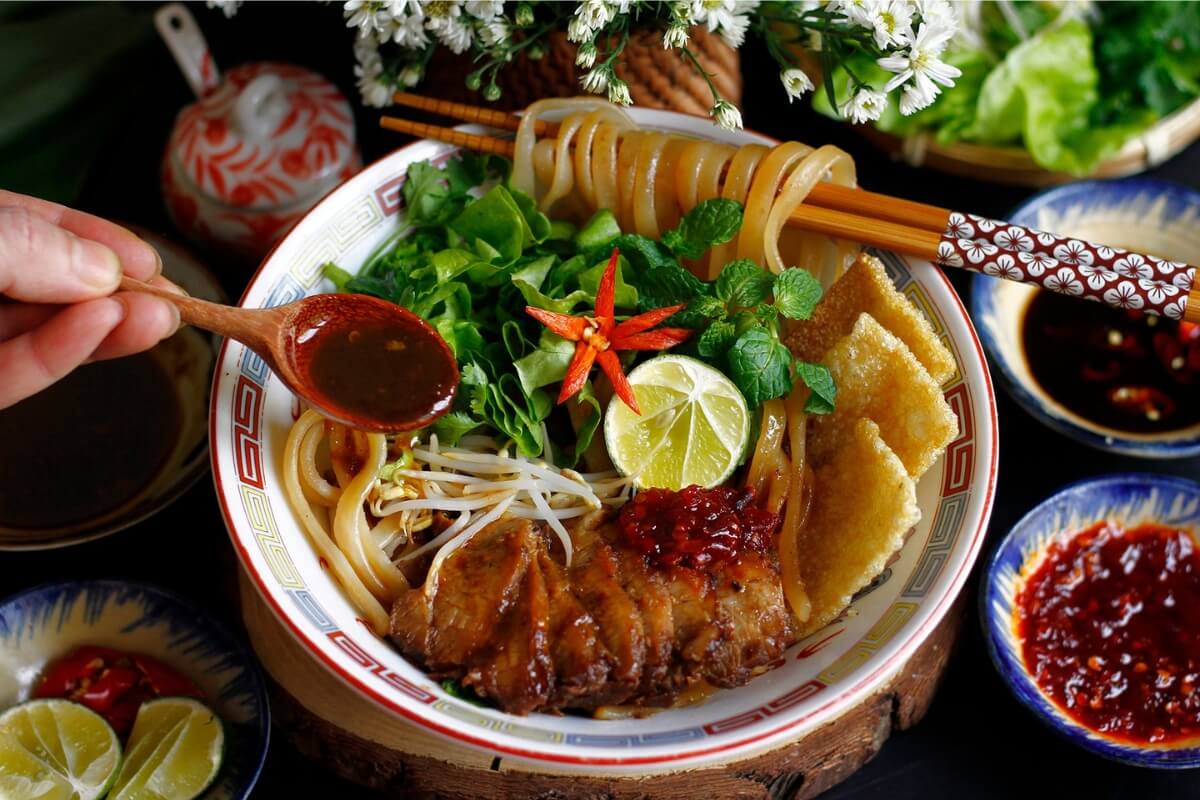
The noodles are served with slices of marinated pork, fresh herbs, bean sprouts, and crispy croutons, creating a delightful mix of textures. With its unique origins and distinctive flavor, cao lầu is an essential part of traditional Vietnamese cuisine in central Vietnam.
5. Bánh Xèo – The Vietnamese Crispy Pancake
Meaning “sizzling cake,” bánh xèo gets its name from the sound of rice batter hitting a hot pan. Stuffed with shrimp, pork, and bean sprouts, the pancake is folded in half, wrapped in lettuce or rice paper, and dipped in sweet-savory fish sauce.
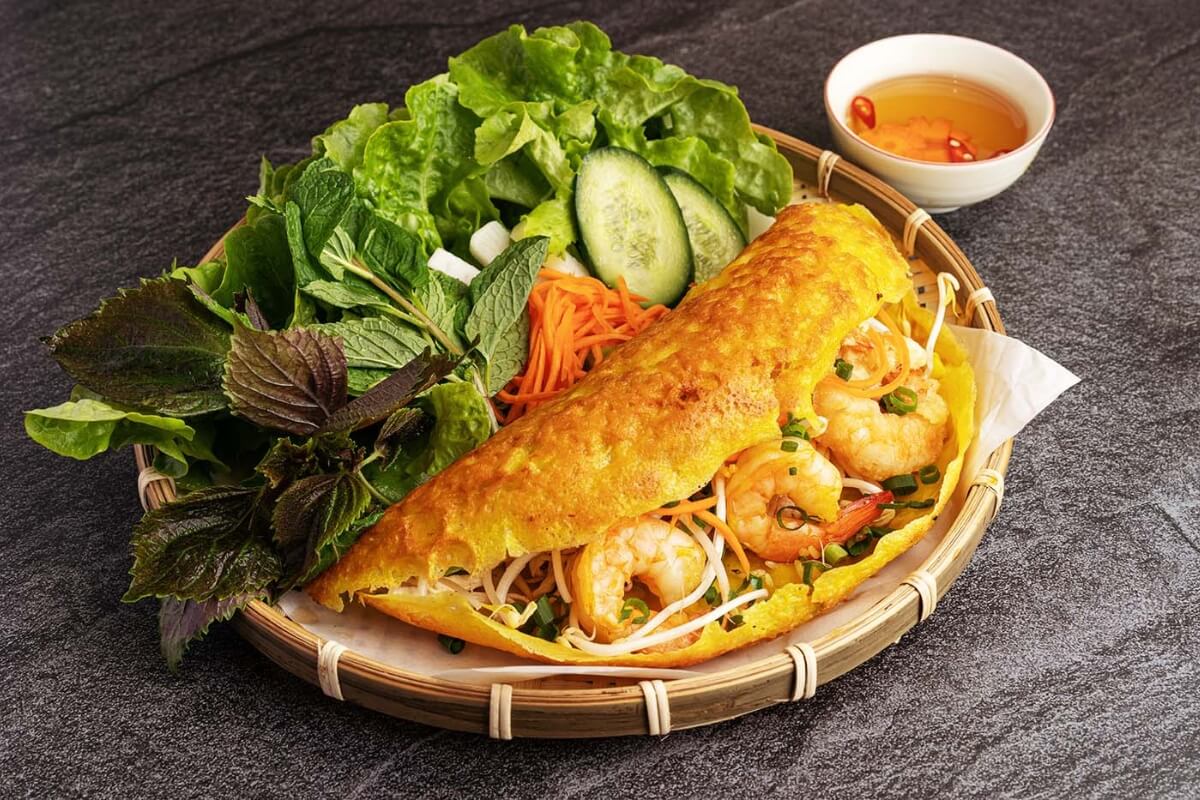
Southern versions are larger and crispier, while Central versions tend to be smaller and more flavorful. The combination of crunch, aroma, and fresh herbs makes bánh xèo a favorite among travelers.
6. Bún Bò Huế – Central Vietnam’s Bold and Spicy Treasure
Originating from the ancient imperial city, bún bò Huế is known for its rich, spicy broth, lemongrass aroma, and tender slices of beef and pork.
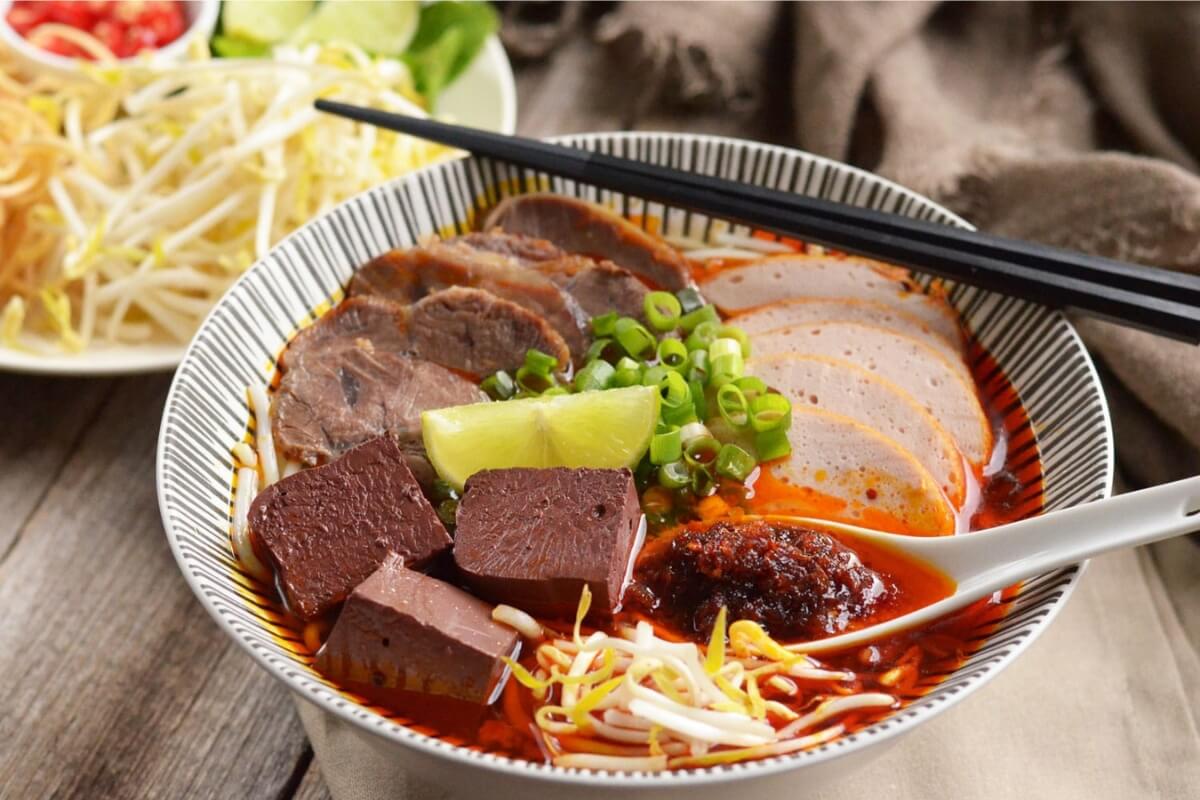
While pho is mild and comforting, bún bò Huế brings a bold punch of heat and flavor. It is a highlight of traditional Vietnamese food, showcasing the culinary pride of Hue and the Central region.
7. Gỏi Cuốn – Fresh Spring Rolls for Light and Healthy Eating
Light, refreshing, and nutritious, gỏi cuốn (fresh spring rolls) are ideal for travelers seeking a healthier dining option. These rolls combine shrimp, herbs, rice noodles, and lettuce wrapped in rice paper, served with peanut or fish sauce.
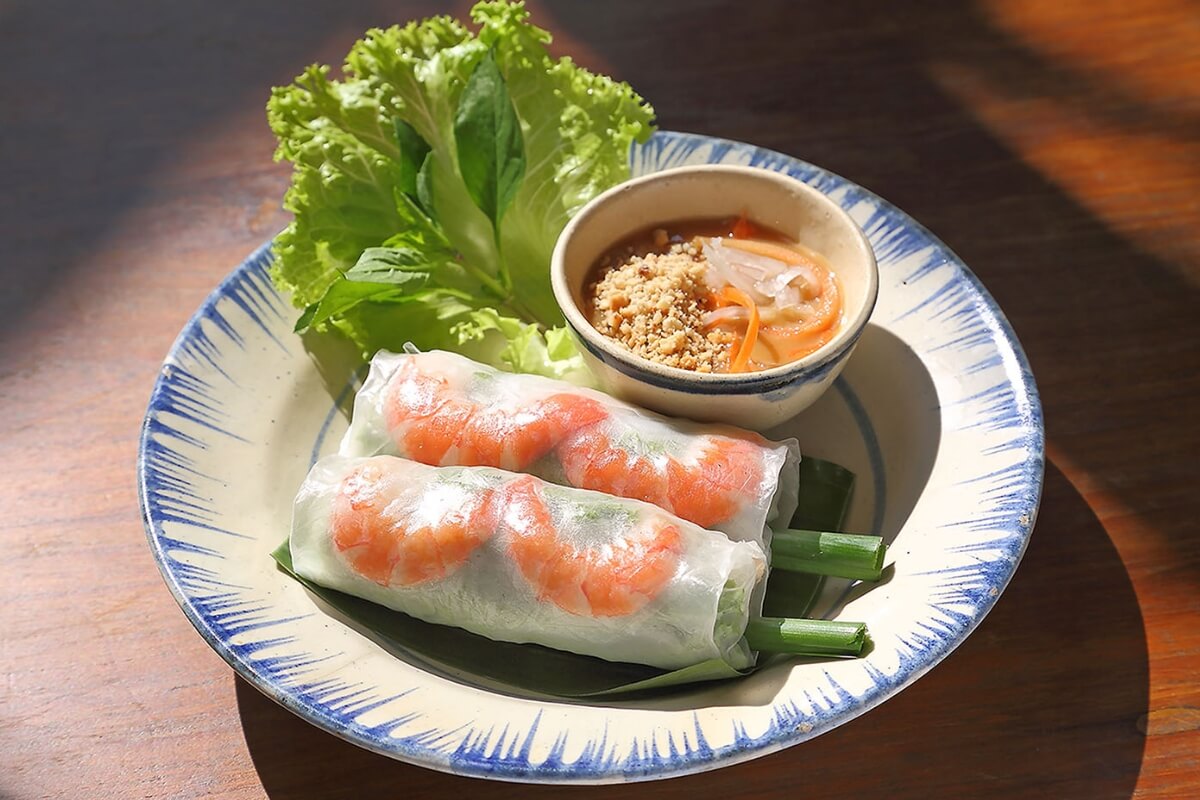
They represent the core values of traditional Vietnamese cuisine: freshness, balance, and harmony with nature.
8. Cơm Tấm – The Beloved “Broken Rice” of Saigon
What originated as a simple dish for farmers has become a Saigon icon. Cơm tấm features grilled pork chops, shredded pork skin, steamed egg meatloaf, pickles, and fish sauce.
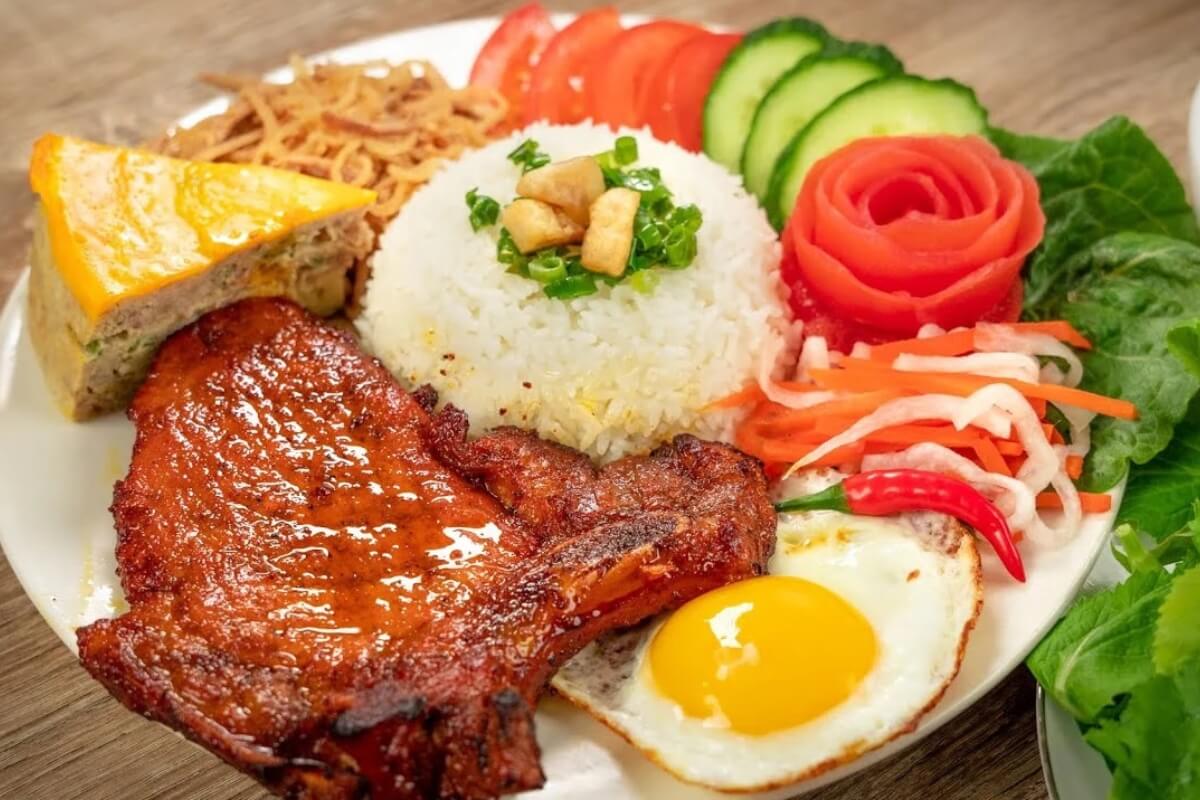
Today, it is among the most affordable and delicious options for travelers exploring southern traditional Vietnamese food. Its smoky grilled flavor combined with sweet-salty sauce makes it unforgettable.
9. Mì Quảng – The Golden Vietnamese Noodles of Da Nang and Quang Nam
Mi Quang stands out with its turmeric-yellow noodles, flavorful broth, shrimp, pork, peanuts, and fresh herbs. Unlike traditional noodle soups, mi quang uses only a small amount of broth, almost like a saucy noodle bowl.
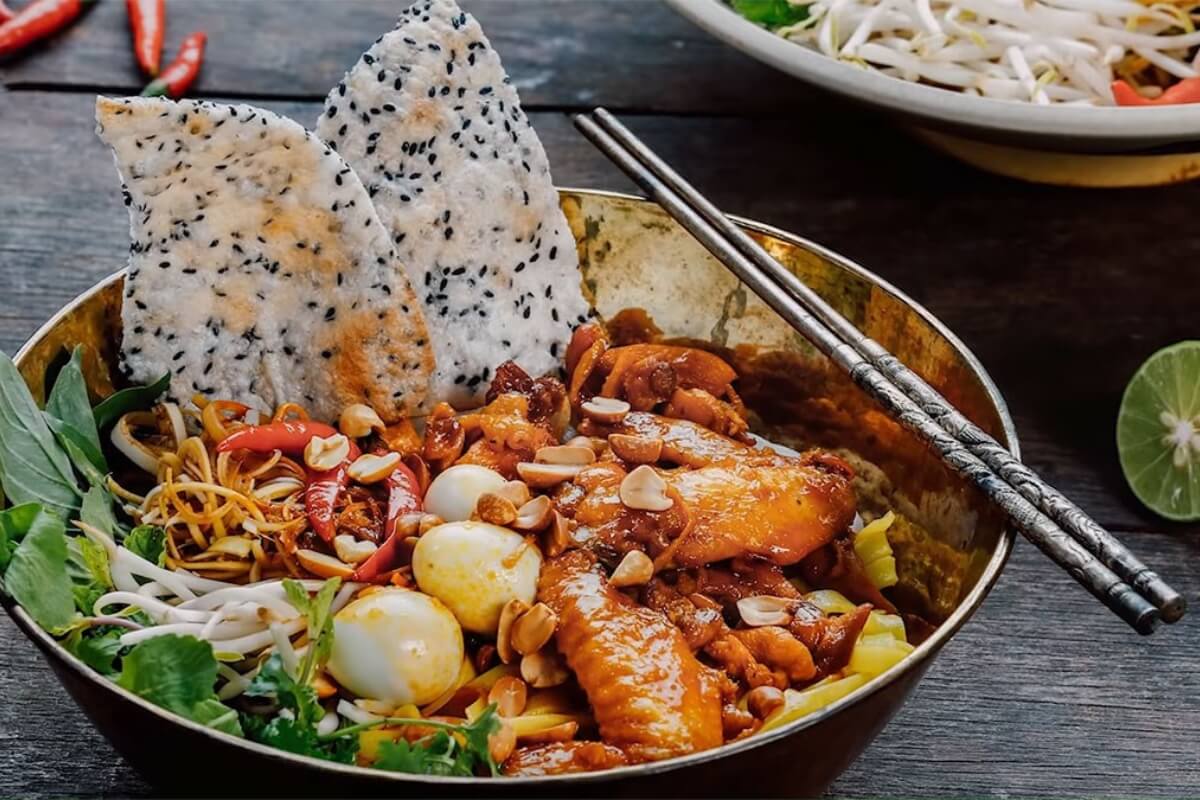
Its vibrant appearance and layered textures make it one of the most visually appealing dishes in traditional Vietnamese cuisine.
10. Chả Cá Lã Vọng – Hanoi’s Legendary Turmeric Fish
This centuries-old dish features turmeric-marinated fish pan-fried with dill, green onions, and shrimp paste. Served with rice noodles and roasted peanuts, chả cá Lã Vọng is a must-try for seafood lovers.
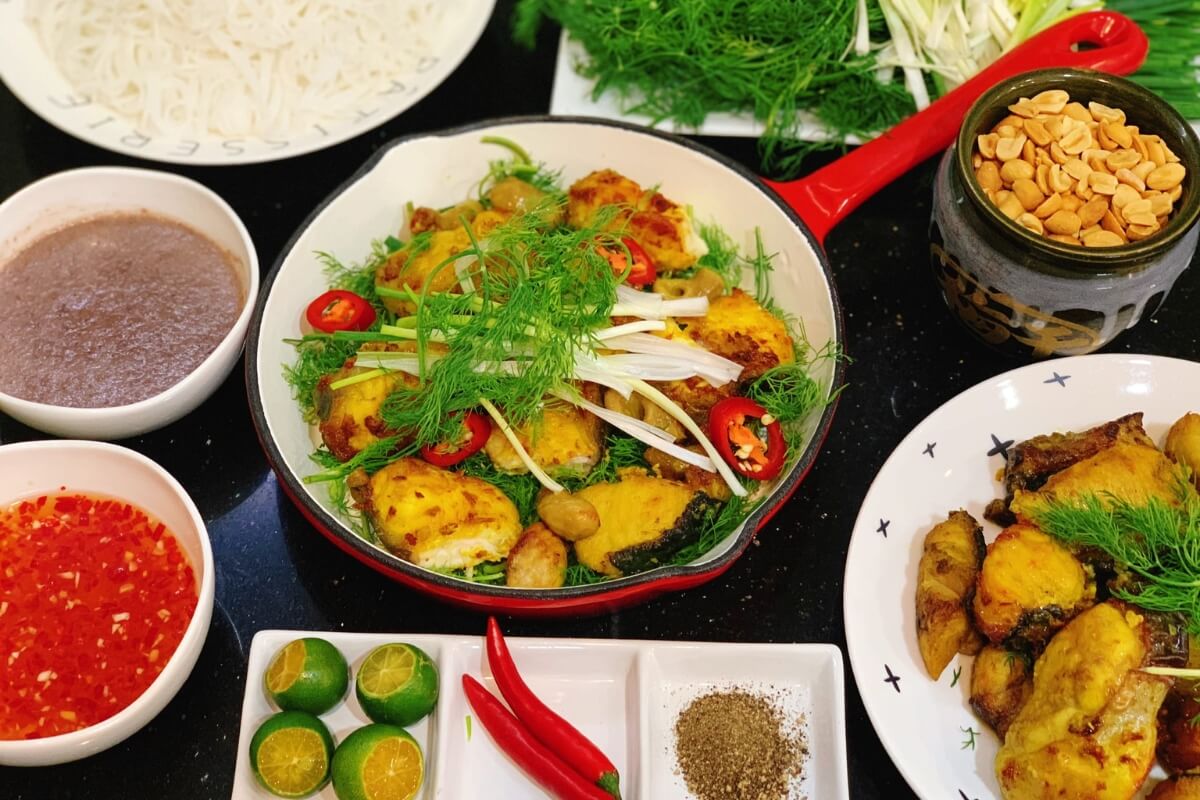
It is not only delicious but also a cultural heritage dish tied to a famous Hanoi family restaurant.
11. Bánh Cuốn – Soft Steamed Rice Rolls
Delicate and silky, bánh cuốn is made from thin sheets of steamed rice flour wrapped around minced pork and wood ear mushrooms. Served with fried shallots and dipping sauce, the dish is light yet satisfying.
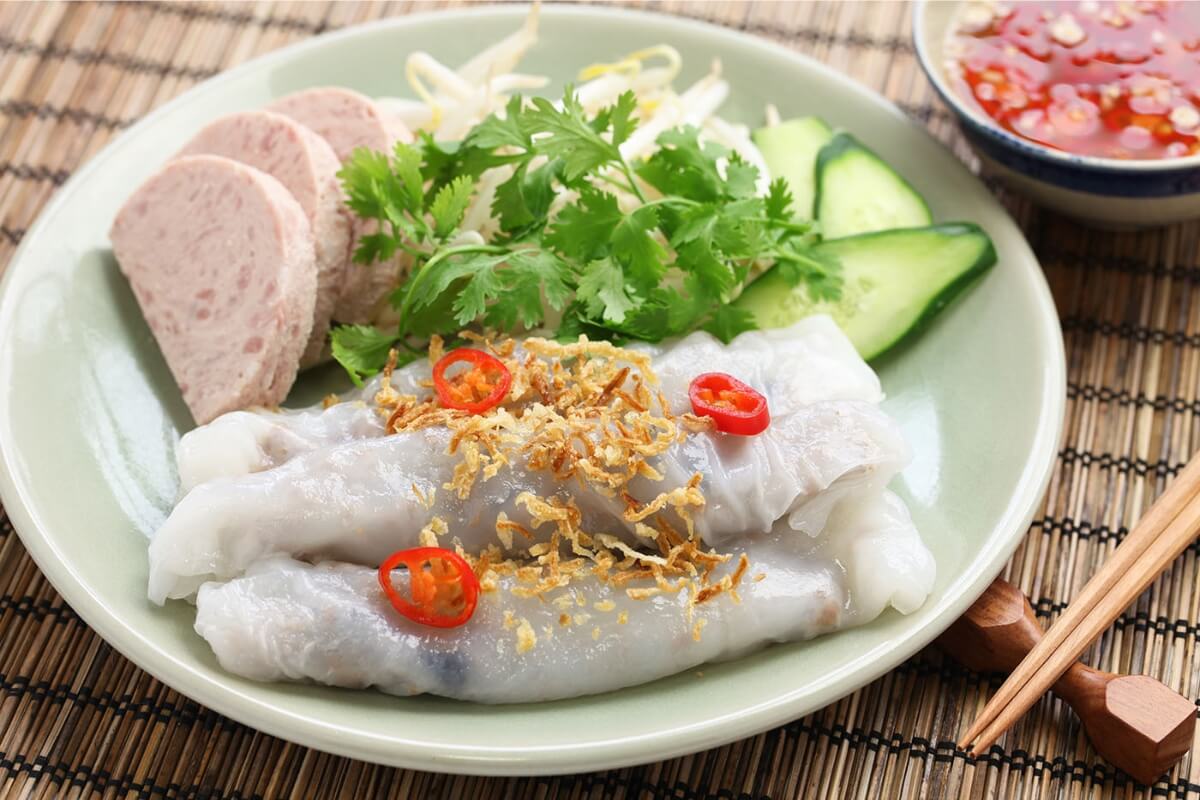
Travelers often enjoy bánh cuốn for breakfast, pairing it with Vietnamese iced coffee for a perfect start to the day.
12. Xôi – The Vietnamese Sticky Rice Tradition
No exploration of traditional Vietnamese food is complete without trying xôi, a long-standing staple enjoyed for breakfast, festivals, and family gatherings. Sticky rice is steamed until fragrant and tender, then paired with a wide range of toppings such as mung bean paste, shredded chicken, Chinese sausage, or crispy shallots.
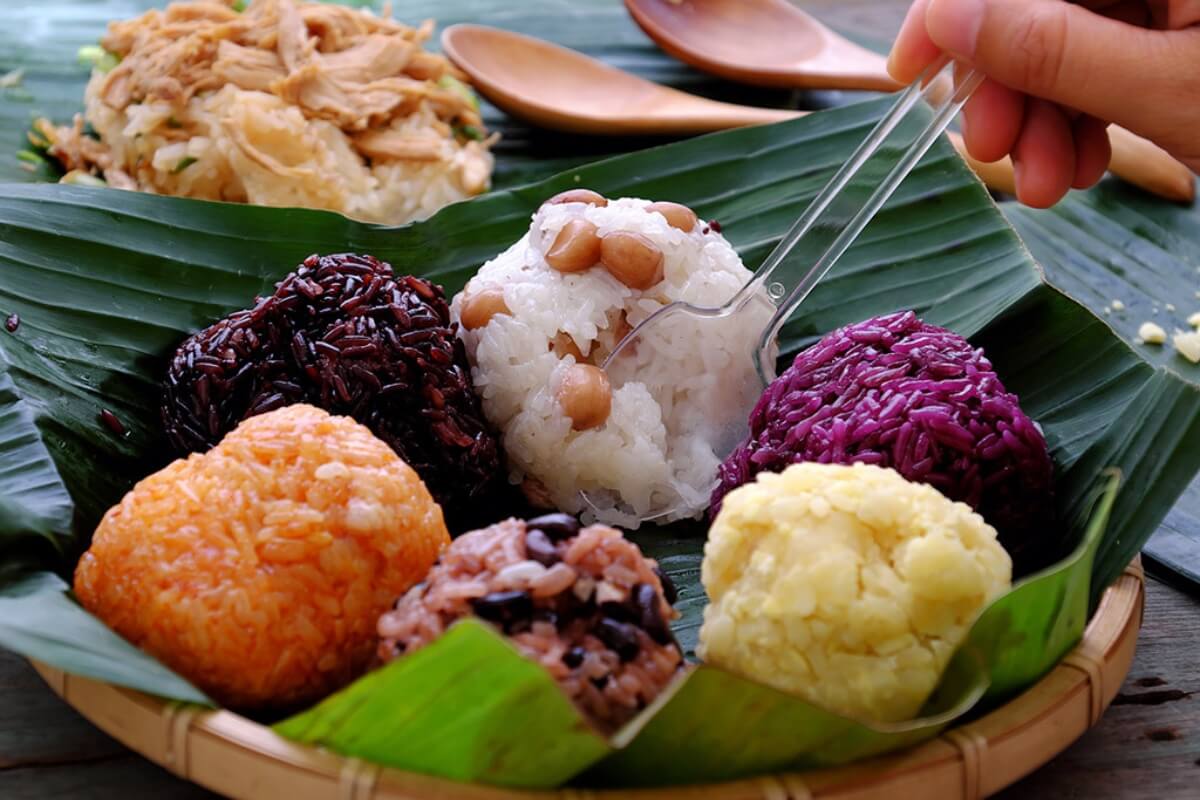
Each region offers its own signature variation:
- Xôi xéo in Hanoi with its bright yellow mung bean and aromatic shallot oil
- Xôi gà in the South is made with flavorful shredded chicken
- Xôi lá cẩm in the Mekong Delta is colored naturally with magenta leaves
What makes sticky rice so special is its simplicity and versatility—it represents everyday comfort in traditional Vietnamese cuisine, connecting generations through familiar flavors.
13. Hủ Tiếu – A Southern Favorite That Captures the Spirit of Saigon
Hủ tiếu is a beloved noodle dish from southern Vietnam, particularly Saigon and the Mekong Delta. Unlike pho or bún, hủ tiếu noodles are chewier and slightly transparent, served either dry or with a clear, naturally sweet broth simmered from pork bones and dried seafood.
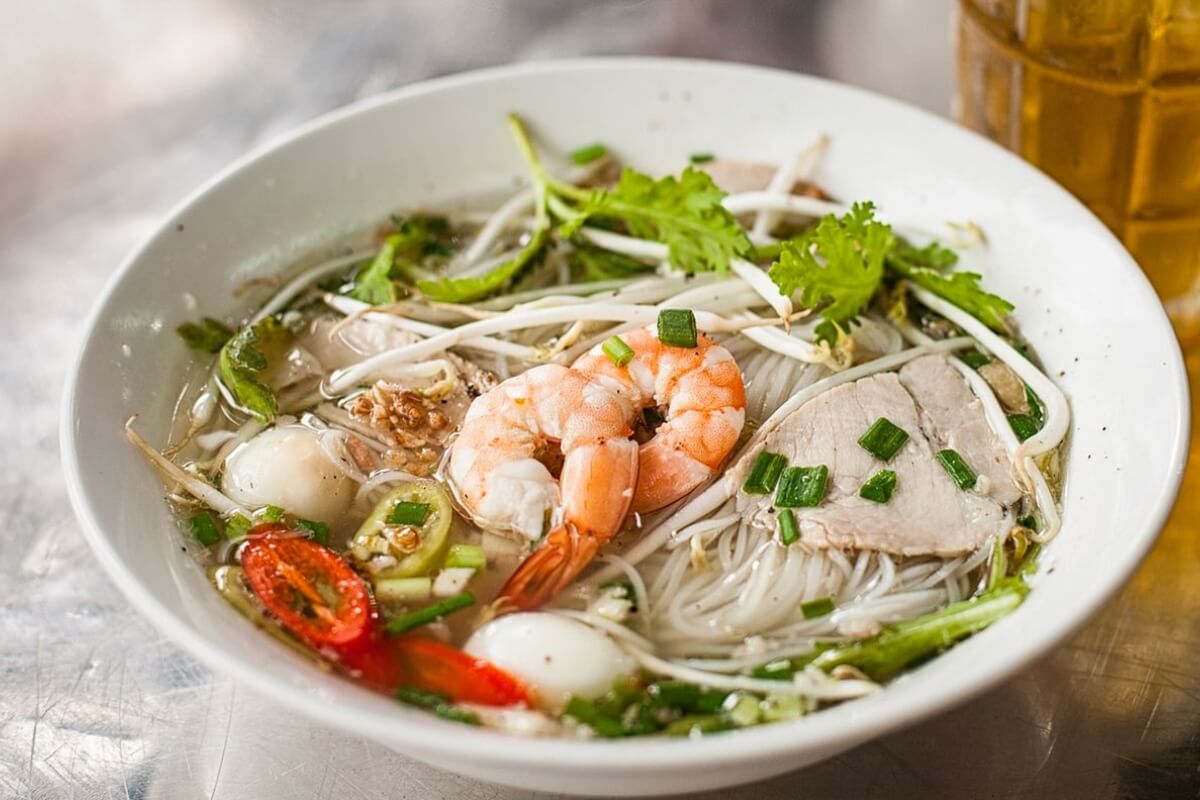
Travelers often enjoy:
- Hủ tiếu Nam Vang with shrimp, minced pork, quail eggs, and herbs
- Hủ tiếu Sa Đéc featuring thicker noodles and richer broth
Hủ tiếu khô (dry), where noodles are mixed with a flavorful soy-based sauce
Because of its layered flavors and gentle sweetness, hủ tiếu has become a must-try for anyone exploring southern traditional Vietnamese cuisine.
14. Nem Rán (Chả Giò) – Crispy Fried Spring Rolls
While fresh spring rolls represent lightness, nem rán (also known as chả giò in the South) embodies indulgence and celebration in traditional Vietnamese food. These golden, crispy rolls are filled with a mixture of minced pork, vegetables, mushrooms, glass noodles, and sometimes crab or shrimp.
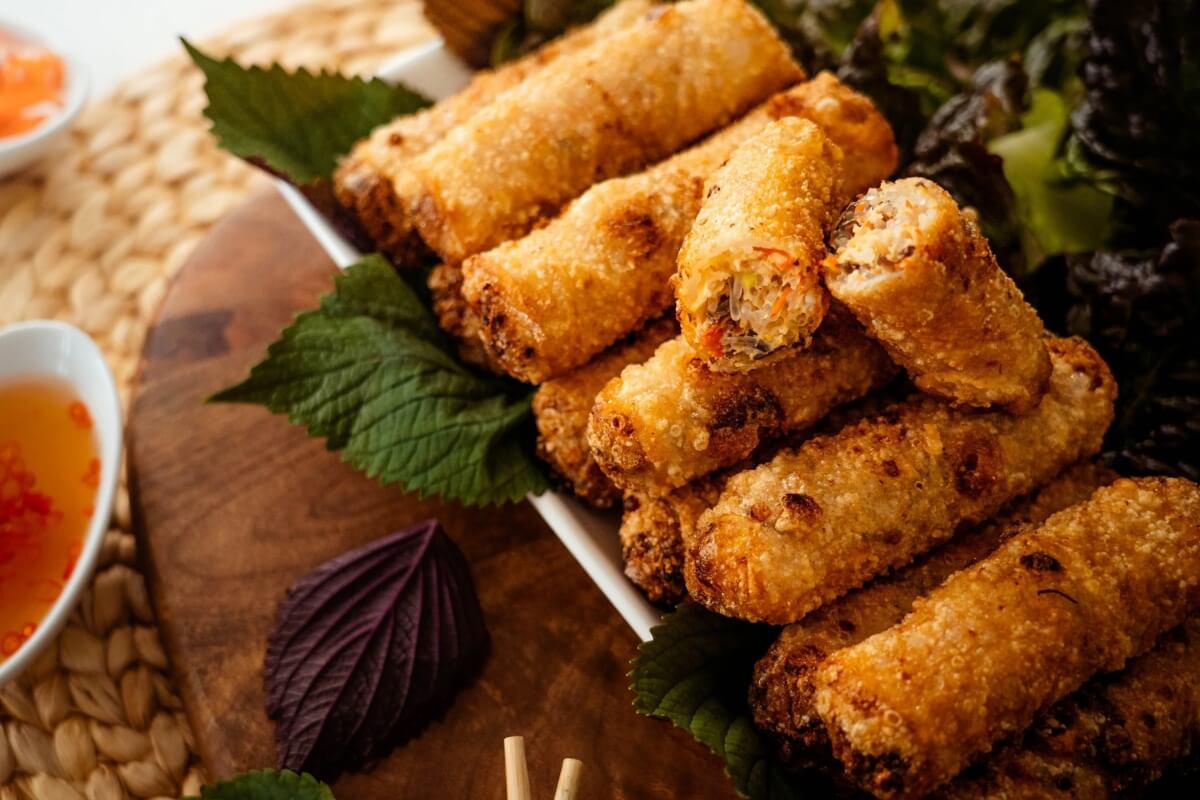
Fried until perfectly crunchy, nem rán is typically served with:
- Lettuce and fresh herbs
- Pickled vegetables
- A balanced dipping sauce of fish sauce, garlic, chili, and lime
Whether enjoyed during family gatherings or festive holidays, nem rán brings warmth and richness to traditional Vietnamese cuisine, making it one of the most widely loved dishes among international visitors.
15. Bún Riêu – A Refreshing Tomato and Crab Noodle Soup
For travelers seeking something both flavorful and unique, bún riêu is a standout choice. This noodle soup combines a fragrant tomato broth with crab paste, tofu, and fresh herbs. The natural sweetness of crab, the acidity of tomato, and the aroma of shrimp paste create an unforgettable harmony that represents the creativity of Vietnamese cooking.
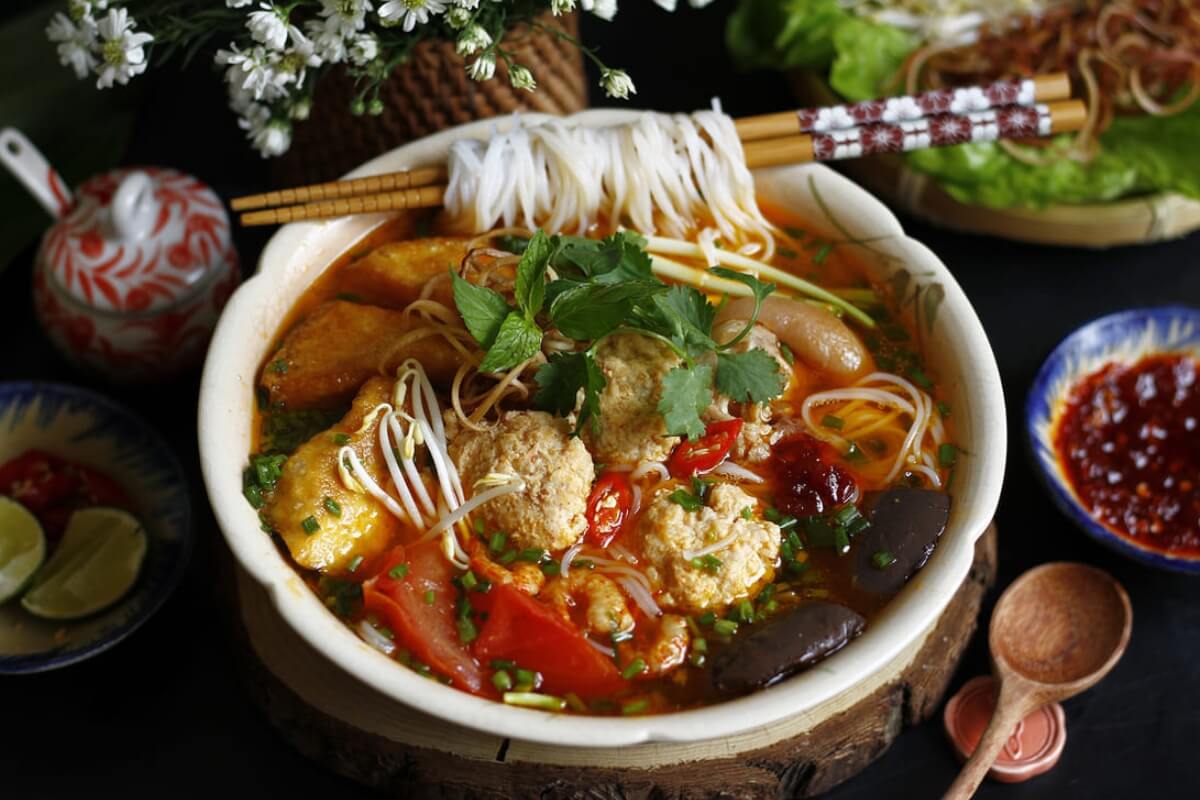
Served with perilla leaves, bean sprouts, and lime, bún riêu offers a refreshing contrast to heavier dishes. It is one of the most comforting bowls in traditional Vietnamese cuisine, especially popular during warm weather
16. Chè – Vietnamese Sweet Dessert Soups
Vietnamese cuisine is not only known for savory dishes—chè, the country’s traditional desserts, play a special role in celebrations, daily snacks, and street food culture. Chè refers to a wide range of sweet soups and puddings made from beans, sticky rice, coconut milk, jelly, fruits, and tropical ingredients.
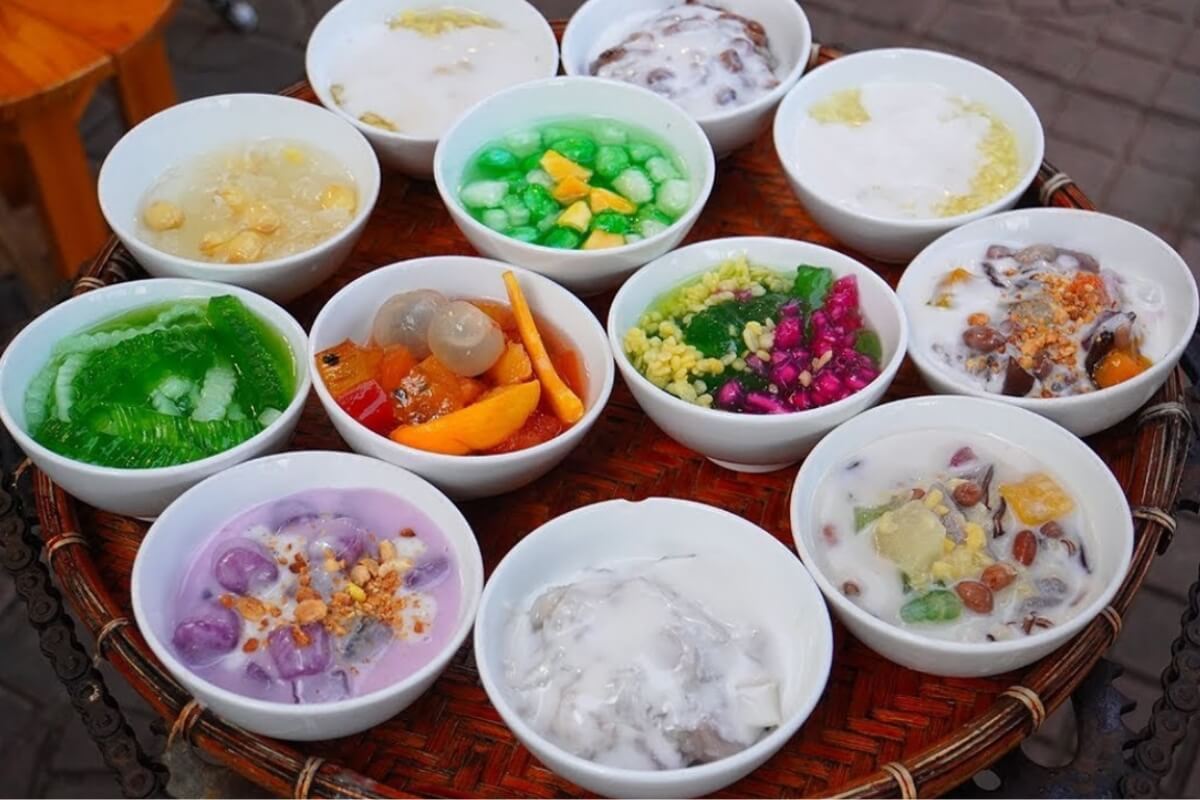
Some popular varieties include:
- Chè ba màu (Three-color dessert)
- Chè trôi nước (glutinous rice balls in ginger syrup)
- Chè bưởi (pomelo peel dessert)
- Chè đậu xanh (mung bean pudding)
Whether enjoyed cold or warm, chè showcases the vibrant creativity of traditional Vietnamese cuisine. For travelers, it is a delightful way to end a meal after trying many savory traditional Vietnamese food dishes.
Ready to explore Vietnam and taste the authentic flavors of traditional Vietnamese cuisine? Let our travel experts craft the perfect journey for you.
What Makes Traditional Vietnamese Food So Special?
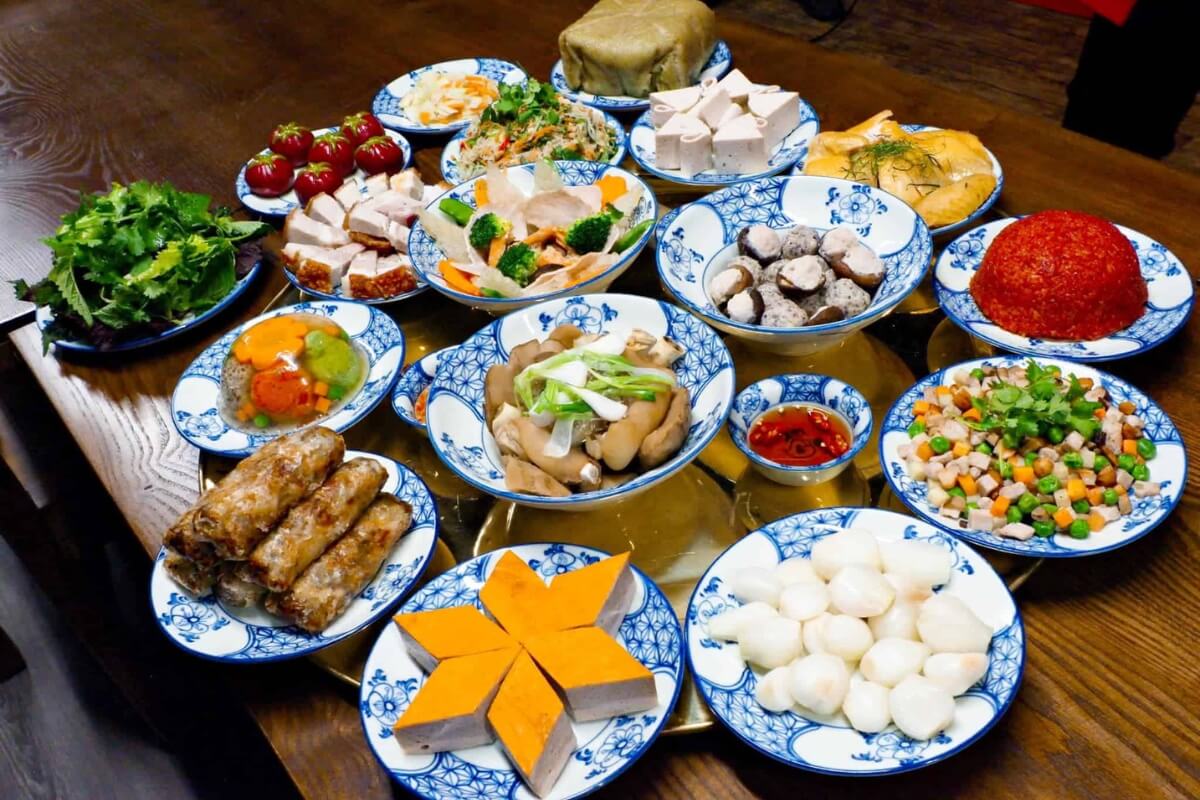
Travelers often fall in love with traditional Vietnamese food not just for its taste but for the deeper cultural experience behind every dish. Several characteristics define why Vietnamese cuisine is considered one of the world’s best:
1. Harmony of Flavors
Vietnamese cooking strives for balance—sweet, salty, sour, spicy, bitter—creating dishes that feel complete and satisfying.
2. Fresh Ingredients
Unlike heavily processed or overly seasoned dishes found in other cuisines, traditional Vietnamese cuisine prioritizes herbs, vegetables, and natural flavors.
3. Regional Expression
Northern dishes are subtle, Central dishes are bold, and Southern dishes are vibrant and sweet. Together, they form a rich culinary map across Vietnam.
4. Cultural Storytelling
Each dish carries historical, geographical, and cultural significance—from royal court recipes in Hue to countryside meals shaped by daily life.
5. Healthy and Balanced
Vietnamese food is naturally low in oil and full of herbs, making it a favorite among wellness-minded travelers.
Exploring traditional Vietnamese food is one of the most memorable experiences when traveling in Vietnam. Each dish opens a window into the country’s culture, history, and regional diversity. Whether you are savoring a bowl of pho in Hanoi, tasting cao lầu in Hoi An, or enjoying cơm tấm in Saigon, you are participating in a culinary tradition that has captivated visitors around the world.
Need more inspiration? Visit our official website: https://www.multicountrytours.asia/to contact a travel expert and have a perfect Vietnam journey today! As you journey through Vietnam, make sure to sample as many dishes as possible. The world of traditional Vietnamese cuisine is vast—and every bite is a story waiting to be discovered.
Comment (0)